
2026-09-18 · David Crowe
Can Wet Carpet Be Saved After a Water Leak?
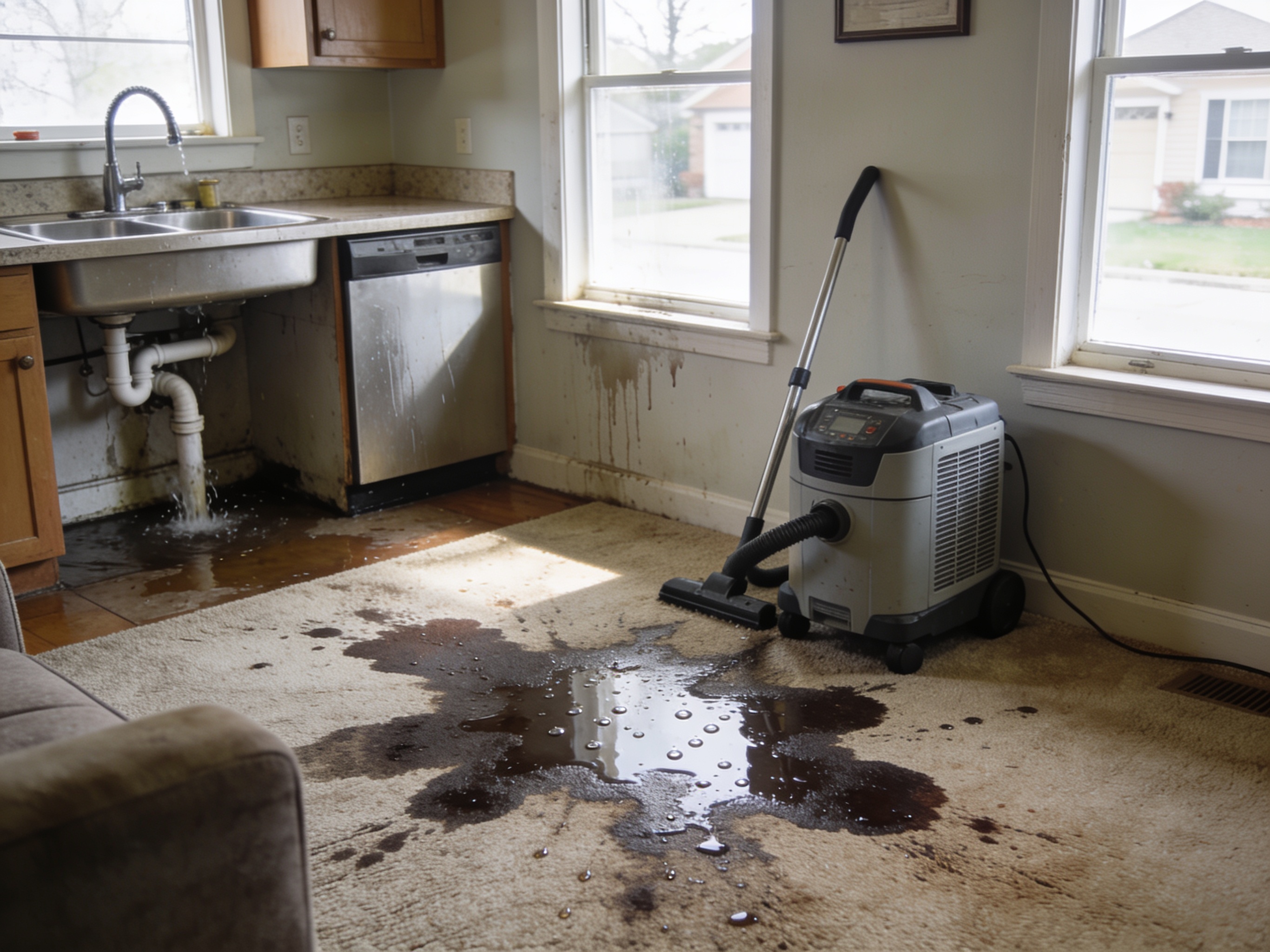
Wet carpet after a water leak in Decatur homes can often be saved when emergency water extraction begins within 24-48 hours, before mold takes hold in the area's humid subtropical climate. Older neighborhoods such as Old Decatur and Albany feature many homes with carpet installed over concrete slabs or plywood subfloors from the 1960s-1980s, which trap moisture longer than newer builds. The key variables are the leak source, how long water sat, and whether it reached the padding or subfloor. Quick response prevents the need for full replacement in many cases.
Assessing Water Type and Exposure Time
Category 1 clean water from a supply line gives the best chance for salvage, while Category 2 or 3 water from appliances or storm sources requires faster removal to avoid contamination. In homes near Point Mallard Park or along the Beltline, leaks often stem from older plumbing that fails during mild winters when temperatures fluctuate. Carpet that stays wet beyond 48 hours in Decatur's humidity almost always develops mold colonies that spread to the backing. Professionals check moisture levels with meters at multiple depths rather than relying on surface feel. See how hidden water travels under flooring and behind walls for details on hidden paths in slab homes common here.
Local Housing Factors in Decatur
Many properties in Albany and Riverbend sit on clay-heavy soils that slow drainage after heavy rain, pushing water under baseboards and into carpet edges. These homes often have wall-to-wall carpet over 1/2-inch padding, which absorbs and holds water longer than newer thin-pad installations. Concrete slabs common in 35601 zip code homes retain moisture for days after extraction if not properly dried. Nearby cities like Huntsville and Athens share similar stock, but Decatur's river proximity adds higher groundwater influence during wet seasons. Checking under furniture and in closets reveals the true extent before deciding on salvage.
Extraction and Drying Steps That Matter
Technicians first remove standing water with extraction wands rated for carpet and pad, then apply air movers and dehumidifiers sized for the square footage. In humid conditions typical of Morgan County, drying can take 3-5 days even with equipment running continuously. Carpet is lifted at seams where possible to allow pad drying or replacement without full removal. Homeowners in Westmead or Austinville often see better results when they avoid walking on wet areas, which drives water deeper into seams. Learn steps for appliance leaks specifically when the source is a washing machine or water heater common in these homes.
When Carpet Cannot Be Saved
If water reached the subfloor or mold appears within 72 hours, replacement becomes necessary to protect indoor air quality. Padding under carpet rarely survives more than 48 hours of saturation in Decatur summers. Homes near Decatur Morgan Hospital or the Princess Theatre area sometimes have multi-story layouts where water migrates between floors, complicating drying. Replacement costs vary by material and room size, but acting early limits the scope to affected sections only. Read about hidden water damage after a leak to understand when full remediation is required beyond the carpet itself.
Practical Next Steps for Decatur Residents
Contact a local team based at 133 4th Ave NE for on-site assessment rather than attempting DIY drying with fans alone. Document the leak source and affected rooms before cleanup begins. Properties in Pointe Mallard Estates or Flint City face similar challenges from seasonal storms that overwhelm older drainage. Follow-up moisture checks after equipment removal confirm the carpet and subfloor have returned to normal levels. This approach keeps more carpet installations intact while addressing the realities of local weather and building age.